

NASHVILLE, TENNESSEE — The Ryman Auditorium is a place where a voice can seem larger than the person singing. After the audience leaves, its wooden pews, balconies, and stage carry a different kind of story: reports of footsteps, shadowy figures, and country music legends who supposedly never finished their final encore.
HAUNTED COUNTRY ROADS · October 20, 2026 Facebook feature · Expanded for the CRE website, October 31, 2026
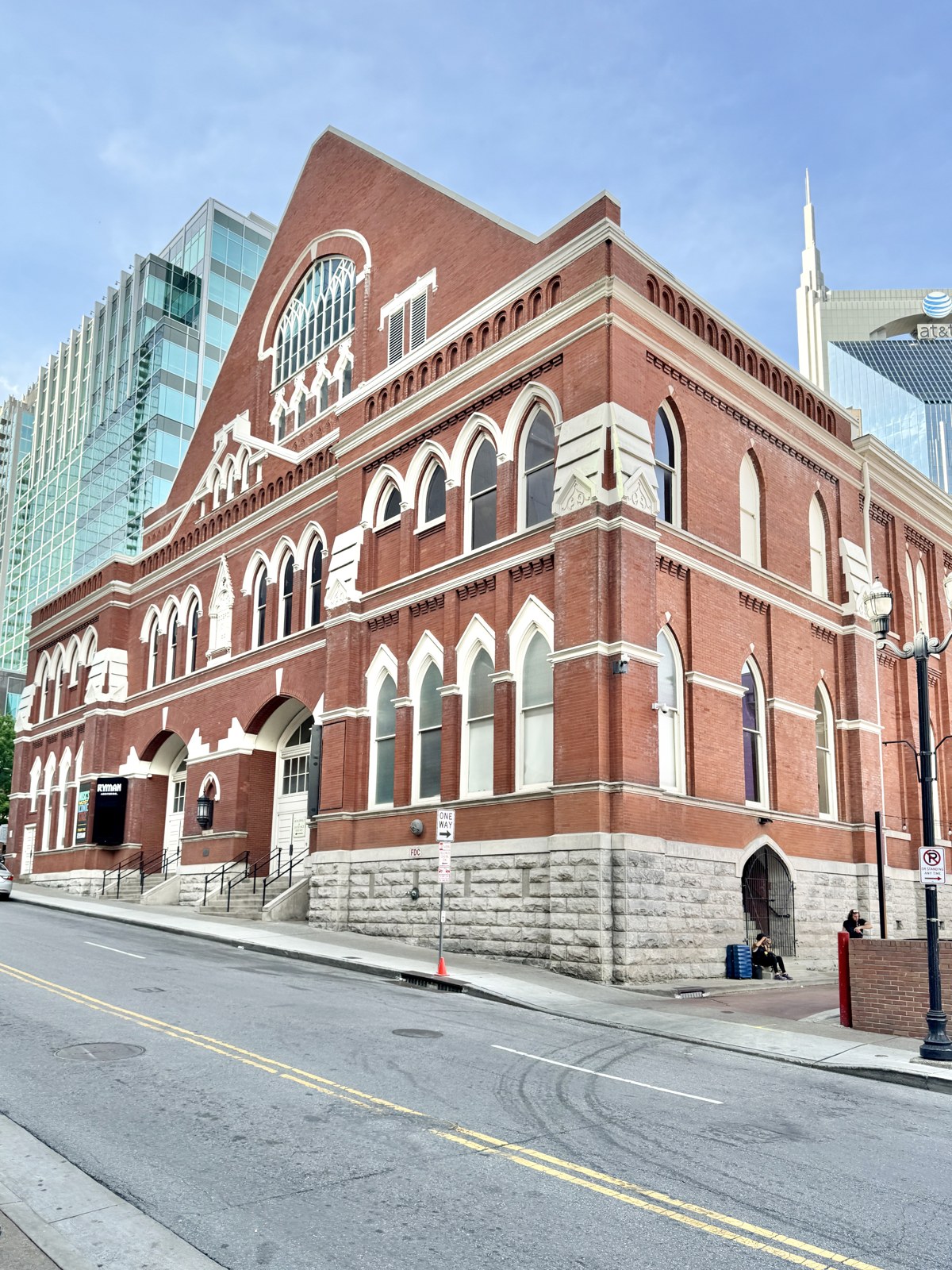
Lead photograph: Zpb52, September 2015 / Wikimedia Commons, CC BY-SA 4.0. Source photograph; proportionally resized.
A Sanctuary Before It Was the Mother Church
The Ryman began as the Union Gospel Tabernacle, opening in 1892. Captain Thomas Ryman’s project created a gathering place that would eventually welcome religious meetings, lectures, theatrical performers, and musicians.
It is easy to assume that a building so identified with country music must have started with the Opry. Its earlier life is part of what makes it interesting. The same room served changing audiences long before radio listeners knew its stage.
Under manager Lula Naff, the auditorium developed a formidable entertainment history. The Grand Ole Opry arrived in 1943 and stayed until 1974. Those decades helped turn a Nashville address into a place country music fans could picture even if they had never set foot in Tennessee.
The Voices That Became Legends
Hank Williams belongs to both the Ryman’s musical memory and its supernatural folklore. Later accounts suggest his presence can still be felt or heard around the auditorium and nearby downtown Nashville.
Tennessee’s State Library and Archives has included the Hank Williams tradition in an exhibit about myths and legends. That is useful context: a cultural institution can document a ghost story as folklore without certifying that a ghost exists.
Other retellings describe Thomas Ryman and a figure called the Gray Man, often identified as a Confederate soldier in the balcony. Such identities are part of the stories told about the building. A glimpse of a shadow does not establish who, if anyone, was there.
What an Empty Auditorium Can Hold
CRE’s original Facebook feature asked whether everyone really leaves when the music stops. Reports of unexplained steps, sounds, and figures provide the eerie answer in local lore.
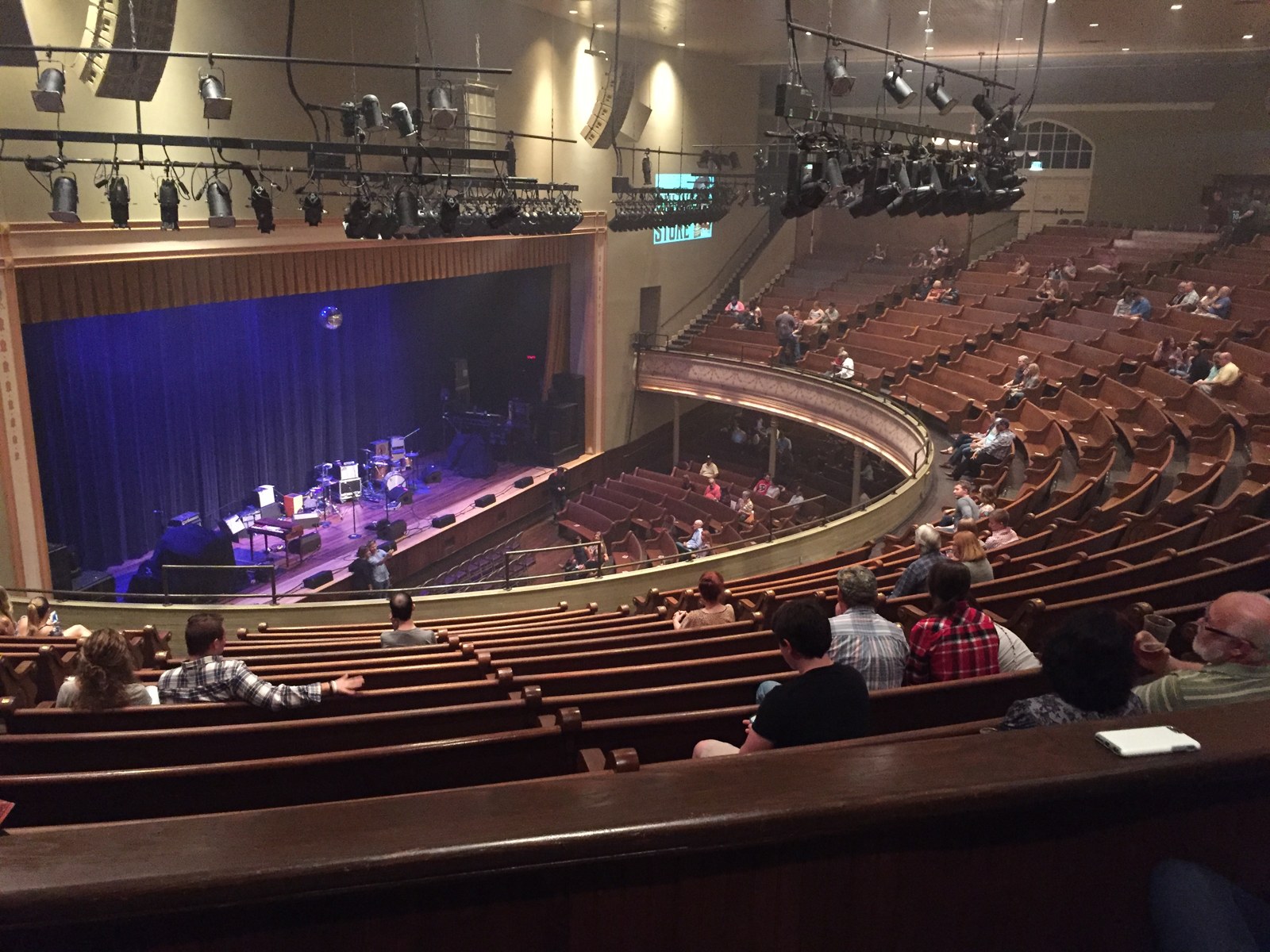
The setting does much of the work. Rows of pews face a stage associated with generations of performers. From the balcony, the room feels intimate despite its size. Knowing who once stood below can change the way a visitor experiences a quiet moment.
That emotional response is real even when its cause is ordinary. A building’s acoustics, backstage activity, changing light, and a visitor’s expectations all deserve consideration before an unfamiliar sound is assigned a supernatural explanation.
A Building That Came Back
The Ryman’s story also includes uncertainty about its future after the Opry left. Restoration work and renewed interest eventually brought the auditorium back as an active performance venue and museum, reopening in 1994.
Preservation matters here. The room is not merely a backdrop for a ghost tour; it is a surviving part of American performance history. Its ongoing life lets new listeners make memories in a place associated with the people who shaped the music.
The venue itself offers Haunted History Tours exploring reported sightings and occurrences. For availability, accessibility, and current tour details, use the Ryman’s own tour page. Event dates change; this feature is an enduring introduction to the stories rather than a tour schedule.
One Last Encore?
There is no need to prove a haunting to understand why the Ryman inspires one. So much music and memory are concentrated in the room that silence can feel like an interruption rather than an ending.
If you had to choose, would you rather explore the empty balcony after dark or stand alone on the stage? And whose voice would you most hope to hear for one more song?
Keep exploring: Browse all Haunted Country Roads stories · The ghost of Room 18 at the St. James Hotel · Eddie’s firsthand night at Hotel Monte Vista.
Haunted Country Roads is an original Country Road Entertainment series about historic places, local legends, and unexplained experiences along America’s back roads. Reported hauntings are presented as claims, with their sources identified.
Sources and Photo Credits
- Ryman Auditorium — official history
- Ryman Auditorium — official tours and Haunted History Tour information
- Tennessee State Library and Archives — Tennessee Myths and Legends, ghosts
- YourClassical — haunted music venue folklore
- CRE’s original Facebook feature — October 20, 2026
Photographs are documentary images, not claimed evidence of ghosts. Web copies are proportionally resized and JPEG-optimized; no people, apparitions, architectural features, or purported evidence have been generated or added. Creative Commons photographs retain their stated licenses; individual credits and source links appear above.